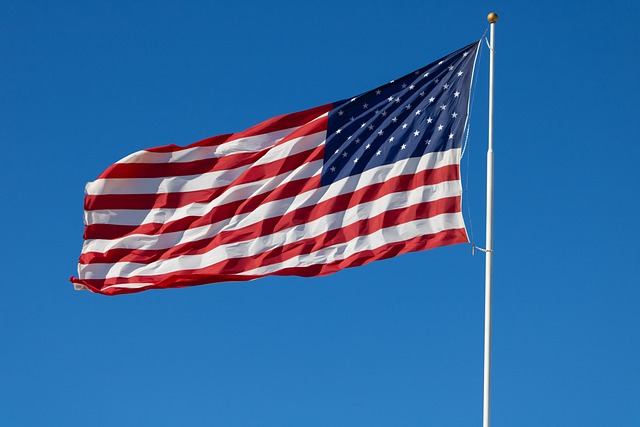
Selecting durable fabrics like nylon and polyester for 2 x 3 American Ultimate Flags is key to maintaining vibrancy against UV rays and moisture. Weaving techniques enhance durability, while robust fastening methods and weather-resistant fasteners prolong lifespan. Using modern eco-friendly dyes and printing techniques ensures long-lasting colors. Weatherproofing and proper installation, including secure fastening and protection from elements, are vital for optimal display.
- Choosing the Right Fabric for Outdoor Durability
- Weaving Techniques to Boost Resistance
- Fastening Methods: Securing the Flag's Longevity
- Dye and Ink Options for Vibrant Colors
- Weatherproofing: Protecting Against Elements
- Installation Tips for Optimal Display
Choosing the Right Fabric for Outdoor Durability
When selecting materials for short-term outdoor displays, fabric durability is paramount. Opting for a robust and weatherproof fabric ensures your 2x3 American Flag or any other flag remains vibrant and intact during exposure to elements like sun, wind, and rain. Look for fabrics treated with UV stabilizers to protect against fading and reinforced stitching to prevent tearing.
Specific types of fabrics like nylon and polyester are popular choices for outdoor use due to their durability and quick-drying properties. These materials are lightweight yet resilient, making them easy to handle and install while enduring the rigors of exterior conditions. Choosing the right fabric significantly contributes to the longevity and visual appeal of your short-term outdoor display.
Weaving Techniques to Boost Resistance

Weaving techniques play a pivotal role in enhancing the durability of outdoor display materials, particularly for short-term applications. When crafting displays intended to withstand varying weather conditions and potential exposure, the method by which fabric is woven can significantly impact its longevity. For instance, using robust threads and precise weaving patterns, like the traditional 2x3 American Flag design, can boost resistance against tearing and fading.
This meticulous approach involves intertwining warp and weft threads in a structured manner, creating a dense fabric that better resists wear and tear. The 2x3 American Flag weave pattern, with its strategic arrangement of strands, not only ensures structural integrity but also provides added protection from environmental factors such as UV rays and moisture. This technique is especially beneficial for short-term displays, where the fabric needs to maintain its color and form despite varying outdoor conditions.
Fastening Methods: Securing the Flag's Longevity
Fastening methods play a crucial role in securing the longevity of a 2x3 American Flag designed for short-term outdoor displays. Traditional methods like stapling or clipping can seem quick and easy, but they often fail to provide adequate support against harsh weather conditions. These simple techniques might cause the flag to flap excessively, leading to wear and tear, and even risk damage from strong winds.
For a more durable solution, consider using high-quality rope and sturdy hooks or eyelets strategically placed along the flag's edges. This method not only secures the fabric tightly but also allows for easy removal and storage when needed. Additionally, investing in weather-resistant fasteners like vinyl ties or specialized outdoor clips can significantly enhance the flag's lifespan, ensuring it remains vibrant and intact even during less favorable weather conditions.
Dye and Ink Options for Vibrant Colors

When designing short-term outdoor displays, choosing durable materials is key to ensuring your message stands out for all the right reasons. One essential aspect to consider is the vibrancy and longevity of colors. Dye and ink options play a significant role in achieving this, especially when showcasing bold graphics like the iconic 2 x 3 American Flag.
Modern technologies offer a range of eco-friendly dye and ink solutions that deliver vibrant hues while withstanding outdoor elements. These advanced materials are designed to resist fading, ensuring your display remains visually appealing even under direct sunlight and varying weather conditions. Whether it's screen printing or digital printing techniques, the right inks can make a significant difference in the overall impact and durability of your outdoor signage.
Weatherproofing: Protecting Against Elements
When it comes to short-term outdoor displays, weatherproofing is a non-negotiable aspect. The elements can be harsh, particularly when left unattended for extended periods. A 2x3 American Flag, for instance, must be prepared to withstand varying conditions – from strong winds and heavy rain to scorching sunlight and freezing temperatures.
Using durable materials and careful design considerations are key. Look for flags crafted with high-quality, weather-resistant fabrics that can endure the elements without fading or tearing. Reinforced stitching and robust construction further ensure these displays remain intact, even during unpredictable weather patterns. In short, investing in a well-made 2x3 American Flag guarantees its longevity and visibility, regardless of where your display is situated.
Installation Tips for Optimal Display

When setting up a short-term outdoor display featuring a 2x3 American Flag, proper installation is key to ensuring its longevity and aesthetic appeal. Start by choosing a sturdy stand or pole suitable for outdoor use; ensure it's securely anchored to prevent tipping in windy conditions. Position the flag at eye level for maximum visibility, typically around 10–15 feet above ground. Fasten the flag securely using heavy-duty clips or straps designed for outdoor flags, ensuring no parts are loose to avoid damage from wind or weather.
Consider the surrounding environment; protect the display from direct sunlight and harsh elements with a suitable cover when not in use. Regular cleaning and inspection are also vital; wipe down the flag and hardware with mild soap and water to remove dirt and grime, checking for any signs of wear or tear that may require replacement parts or a new flag.